
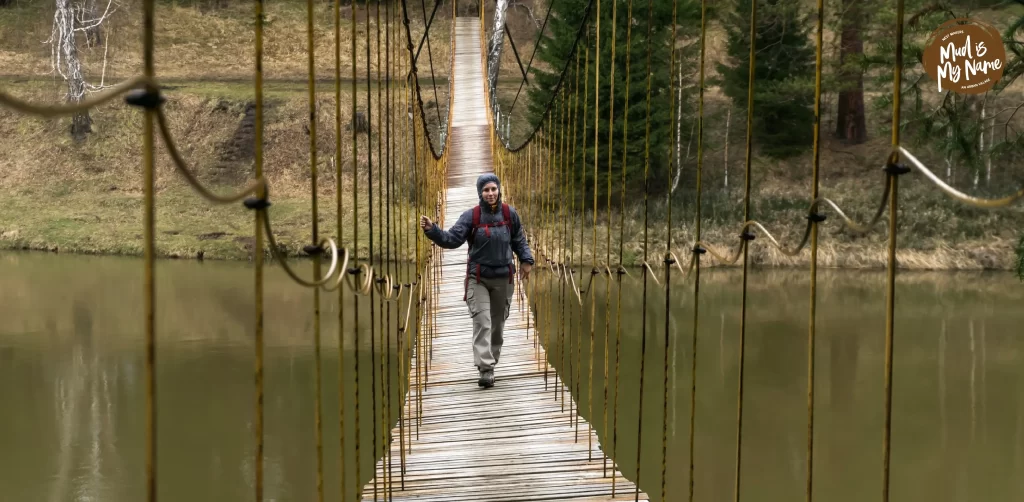
In an era defined by constant connectivity and an ever-increasing pace of life, the need to break away from routine has become more essential than ever. Adventure and recreational living—centered around activities that rejuvenate the mind, body, and soul—has emerged as a sought-after lifestyle choice. Whether it’s the thrill of scaling mountains, the serenity of paddling on tranquil waters, or simply embracing nature in its rawest form, adventure and recreational living offers an escape from the mundane while fostering health, creativity, and connection.
This blog explores the essence of adventure and recreational living, its benefits, and how individuals can integrate it into their lives for a more fulfilling existence.
1. Understanding Adventure and Recreational Living
Adventure and recreational living revolves around incorporating outdoor activities and leisure pursuits into daily life. It emphasizes:
- Physical activities like hiking, biking, rock climbing, and water sports.
- Recreational experiences such as camping, birdwatching, or exploring scenic landscapes.
- Community-based events like outdoor yoga, sports tournaments, and adventure retreats.
This lifestyle is not confined to vacations but integrates a love for exploration and recreation into everyday routines.
2. Why Adventure and Recreation Are Essential
Modern living often leads to sedentary habits, stress, and disconnection from nature. Adventure and recreation provide an antidote to these challenges.
a) Physical Health
Engaging in outdoor activities helps improve cardiovascular health, build strength, and boost overall fitness. Activities like kayaking or trekking work multiple muscle groups, providing both exercise and enjoyment.
b) Mental Well-Being
Time spent outdoors reduces stress and enhances mood. Research shows that exposure to natural environments can lower cortisol levels, improve focus, and alleviate symptoms of anxiety and depression.
c) Social Connection
Group activities such as team sports or guided adventure trips foster a sense of community and strengthen relationships, helping to combat loneliness.
d) Personal Growth
Adventure activities often challenge individuals, teaching resilience, problem-solving, and self-confidence. Overcoming obstacles during a climb or completing a long trek instills a sense of achievement.
3. The Appeal of Adventure Living Spaces
Real estate developments are increasingly catering to the demand for adventure and recreational lifestyles. These communities provide residents with direct access to adventure activities and recreational amenities.
a) Proximity to Nature
Living near forests, mountains, or lakes enhances accessibility to outdoor activities. Properties in such locations often offer scenic views, creating a tranquil living environment. This is especially true in the Hyderabad real estate market, where development land for sale and real estate development opportunities are abundant.
b) Built-In Facilities
Adventure-centric living spaces include features like climbing walls, water sport facilities, jogging trails, and communal recreation zones. These amenities are becoming increasingly popular in Hyderabad real estate projects, making them a significant draw for those seeking an active lifestyle real estate.
c) Community Engagement
Events like group hikes, yoga sessions, or adventure workshops create a vibrant and inclusive atmosphere.
4. Top Activities for Adventure and Recreational Living
a) Land-Based Activities
- Hiking and Trekking: Explore trails that offer varying levels of difficulty. From leisurely walks in lush green forests to challenging mountain ascents, hiking has something for everyone.
- Cycling: Both road and mountain biking are excellent ways to explore natural landscapes while staying active.
- Camping: Spending nights under the stars fosters a deep connection with nature.
b) Water-Based Activities
- Kayaking and Canoeing: Ideal for exploring rivers, lakes, or coastal waters.
- Paddleboarding: A relaxing activity that combines balance, strength, and scenic exploration.
5. Designing a Life Around Adventure and Recreation
a) Choose the Right Location
Consider living in areas that offer easy access to outdoor spaces, such as near national parks, beaches, or adventure hubs.
b) Make It a Priority
Integrate adventure into your weekly routine. Dedicate weekends to exploring new trails, water bodies, or recreational zones.
c) Invest in Gear and Training
High-quality gear and proper training ensure safety and enhance the adventure experience.
d) Join Like-Minded Communities
Adventure clubs and recreational groups make it easier to participate in activities and meet people with similar interests.
6. The Economic and Social Value of Adventure Living
a) Boosting Local Economies
Adventure and recreational activities attract tourists and residents, driving demand for local services such as guided tours, equipment rentals, and hospitality.
b) Environmental Stewardship
Living an adventure-oriented life often cultivates a sense of responsibility toward preserving nature. Many outdoor enthusiasts advocate for conservation and sustainable practices.
c) Cultural Exchange
Adventure tourism and living foster interactions between people from diverse backgrounds, enriching cultural understanding.
7. The Role of Technology in Adventure Living
a) Navigation and Planning
Apps like AllTrails and Google Maps make it easy to discover and plan outdoor excursions.
b) Safety and Monitoring
Wearable devices like GPS trackers and heart rate monitors enhance safety during adventures.
c) Virtual Reality (VR)
VR allows enthusiasts to simulate activities like climbing or diving, making adventure experiences accessible from home.
8. Challenges in Adventure and Recreational Living
While the lifestyle is rewarding, it comes with challenges:
a) Physical Demands
Not everyone may find intense activities accessible due to age or health issues. Adjusting activities to individual capabilities is essential.
b) Environmental Concerns
Over-tourism and reckless outdoor practices can harm ecosystems. Responsible adventure living includes adhering to leave-no-trace principles.
c) Financial Costs
Gear, travel, and specialized training can be expensive. Starting with cost-effective activities like hiking or camping helps mitigate expenses.
9. Adventure Living for Different Life Stages
Adventure and recreational living can be tailored to suit various ages and preferences:
a) Families with Children
Activities like camping, nature walks, or family-friendly obstacle courses foster bonding and teach children about nature.
b) Young Adults
Extreme sports like rock climbing or rafting cater to thrill-seekers.
c) Seniors
Gentler pursuits like birdwatching, gardening, or scenic walks ensure adventure living remains inclusive.
10. A Future Centered on Adventure and Recreation
The increasing popularity of adventure and recreational living is shaping the future of real estate, tourism, and wellness industries. Developers are designing spaces that prioritize access to nature, while tourism operators are creating packages that balance thrill with sustainability.
As people continue to seek meaningful ways to enhance their quality of life, adventure and recreation will remain at the forefront of this shift, offering not just escapism but opportunities for growth, connection, and holistic well-being.
Conclusion
Adventure and recreational living is more than a lifestyle; it’s a philosophy that prioritizes balance, exploration, and sustainability. Whether you’re scaling a mountain, paddling on calm waters, or simply enjoying an outdoor yoga session, these activities enrich your life by fostering physical health, mental clarity, and social connection.
Incorporating adventure into your daily life might require effort, but the rewards are immeasurable. As we embrace this dynamic lifestyle, we not only transform our personal lives but also contribute to a global movement that values nature, sustainability, and community.